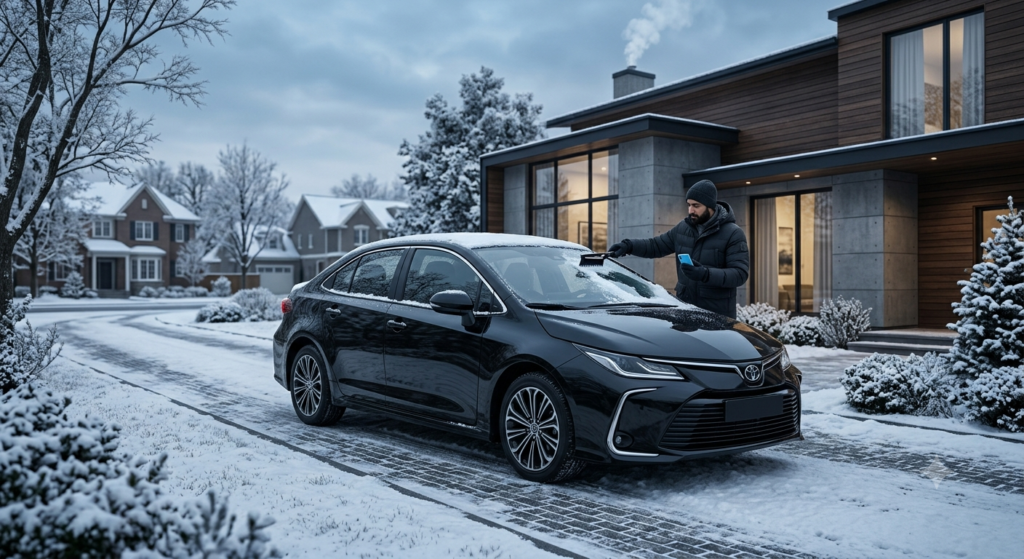

Winter driving can create challenging road conditions for drivers, especially when snow, ice, freezing temperatures, and heavy storms affect visibility and vehicle control. Having suitable car insurance can provide important financial protection, but drivers should understand their coverage before winter weather arrives.
Preparing both your vehicle and your insurance policy can help reduce unnecessary risks during the winter season.
Why Winter Weather Can Increase Driving Risks
Snow and ice can make roads slippery and increase stopping distances. Poor visibility during snowstorms can also make accidents more likely.
Winter conditions can also create other risks, including falling branches, hail, flooding from melting snow, and damage caused by severe storms.
Because of these risks, drivers should review their insurance coverage before the winter season begins.
Comprehensive Coverage for Winter Damage
Comprehensive coverage can protect against certain non-collision events, depending on the policy.
Covered events may include damage caused by:
- Falling trees or branches
- Hail
- Severe storms
- Flooding
- Theft
- Vandalism
- Falling objects
Coverage varies between insurers, so drivers should review their policy carefully.
Collision Coverage
Collision coverage can help pay for damage to your vehicle after a covered collision, subject to the policy terms and deductible.
If your vehicle slides on an icy road and is involved in a covered collision, collision coverage may help with eligible repair costs.
Drivers should understand that coverage depends on the circumstances and specific policy conditions.
Prepare Your Vehicle for Winter
Insurance is only one part of winter preparation.
Before winter arrives, check:
- Tire condition
- Tire pressure
- Battery
- Brakes
- Windshield wipers
- Headlights
- Antifreeze or coolant
- Windshield washer fluid
If you live in an area with frequent snow and ice, consider using appropriate winter tires and keeping emergency supplies in your vehicle.
Roadside Assistance Can Be Useful
Roadside assistance can provide valuable support during winter emergencies.
Depending on your plan, services may include:
- Towing
- Battery jump-starts
- Flat-tire assistance
- Lockout assistance
- Fuel delivery
Check your policy for service limits and towing restrictions before winter travel.
Understand Your Deductible
Before making a claim, understand your comprehensive and collision deductibles.
A deductible is the amount you may have to pay toward a covered claim before your insurer contributes according to the policy terms.
Knowing these amounts in advance can help you make informed decisions after winter-related vehicle damage.
Avoid Driving During Severe Weather
The safest option during extreme weather may be to avoid unnecessary travel.
Check local weather forecasts and road conditions before starting a journey. If authorities advise against travel, consider delaying your trip until conditions improve.
Safe driving habits can reduce the likelihood of an accident and help protect both you and your vehicle.
Winter Insurance Tips for Different Countries
Winter conditions vary across the USA, Canada, the UK, Australia, and New Zealand.
Drivers in northern parts of the USA and Canada may regularly deal with snow and ice, making winter tires and emergency preparation especially important.
Drivers in the UK may experience heavy rain, flooding, ice, and occasional snow depending on the region.
Parts of Australia and New Zealand can experience snow and icy conditions in mountainous areas, while other regions may face different seasonal risks.
Insurance requirements and coverage options differ by location, so drivers should check their local policy requirements.
Review Your Policy Before Winter
A policy review before winter can help identify potential gaps in protection.
Check your:
- Comprehensive coverage
- Collision coverage
- Roadside assistance
- Deductibles
- Coverage limits
- Exclusions
- Emergency contact information
If you have questions about your coverage, contact your insurer before severe weather arrives.
Final Thoughts
Winter driving requires careful preparation, especially in areas affected by snow, ice, and severe storms. Proper vehicle maintenance, safe driving habits, roadside assistance, and suitable insurance coverage can help reduce the financial impact of unexpected problems.
Reviewing your policy before winter arrives can give you greater confidence and help you understand exactly what protection is available when you need it.