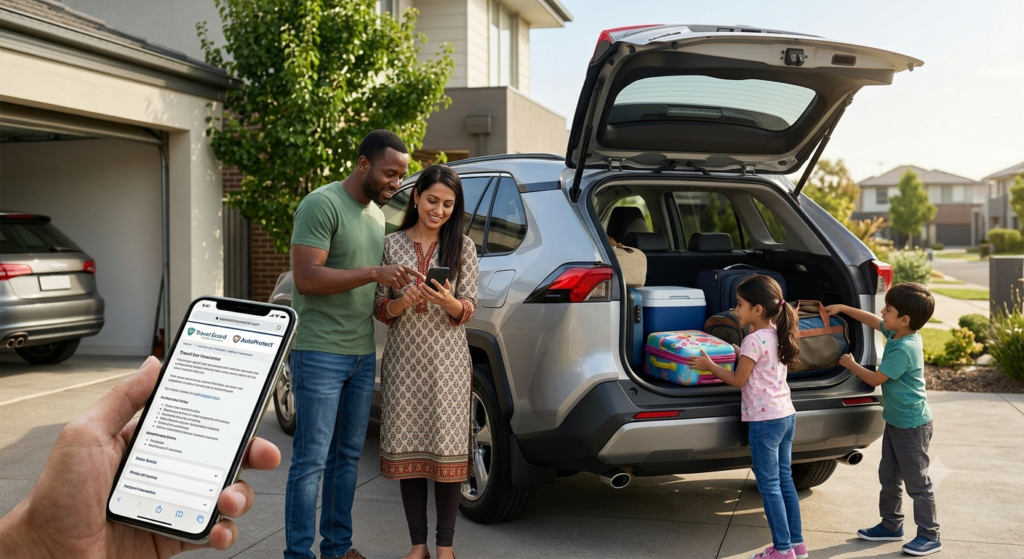

Planning a road trip can be exciting, but checking your car insurance before leaving is an important part of preparing for a long journey. A policy that works well for everyday driving may have details that become especially important when you travel long distances or cross state, provincial, or national borders.
Before starting your trip in 2026, take a few minutes to review your coverage, roadside assistance, deductibles, and policy requirements.
Check Your Current Coverage
Start by reviewing your existing car insurance policy. Make sure you understand the types of coverage you have and the limits that apply.
Important areas to review include liability coverage, collision coverage, comprehensive coverage, uninsured or underinsured motorist protection, and any optional benefits included with your policy.
Knowing your coverage before a problem occurs can make it easier to respond calmly if an accident or other unexpected event happens.
Review Your Roadside Assistance
Roadside assistance can be particularly useful during a long-distance trip.
Depending on the plan, roadside assistance may help with situations such as:
- Flat tires
- Dead batteries
- Vehicle lockouts
- Towing
- Fuel delivery
- Mechanical problems
Check whether roadside assistance is included in your insurance policy or provided separately. Also review any limits on towing distance, service calls, or geographic coverage.
Understand Your Deductible
Before leaving, make sure you know the deductibles attached to your coverage.
If you need to make a claim after a covered event, the deductible may be the amount you are responsible for paying before the insurer contributes toward eligible expenses.
Knowing this amount in advance can help you prepare financially for unexpected situations.
Check Coverage for Additional Drivers
If you are traveling with family or friends and another person may drive your vehicle, check your policy’s rules regarding additional drivers.
Insurance policies can have specific requirements concerning who is permitted to drive the vehicle and under what circumstances.
If someone else will regularly drive during the trip, contact your insurer before leaving to confirm that you have appropriate coverage.
Prepare for Long-Distance Driving
Long road trips can increase mileage and put additional demands on your vehicle.
Before leaving, check your tires, brakes, lights, fluids, battery, and windshield wipers. A basic vehicle inspection can help reduce the chance of avoidable problems during your journey.
Keeping your vehicle properly maintained is also important for overall road safety.
Traveling Across Different Regions
Insurance requirements can vary depending on where you travel.
In the USA, requirements differ between states. Canadian drivers should consider provincial and territorial requirements when traveling across Canada.
Drivers traveling between countries should check whether their insurance provides the required protection in the destination country.
If you are planning an international road trip, contact your insurer before departure and ask whether additional documentation or coverage is required.
Consider Rental Car Coverage
If you plan to rent a vehicle during your trip, review your existing insurance policy to see whether it provides rental vehicle coverage.
Coverage rules can vary significantly, so do not assume that your personal car insurance automatically covers every rental situation.
You should also understand the rental company’s insurance options before declining additional protection.
Keep Important Information Available
Keep your insurance information easily accessible while traveling.
Useful information may include:
- Insurance policy details
- Insurer contact information
- Emergency assistance number
- Vehicle registration
- Driver’s license
- Roadside assistance information
Digital copies can be convenient, but keeping important documents available offline can be helpful if you have limited mobile service.
What to Do After an Accident
If an accident occurs, prioritize everyone’s safety first and follow local laws.
Depending on the situation, you may need to contact emergency services, exchange information with other drivers, document the scene, and notify your insurer.
Avoid making assumptions about fault or coverage at the scene. Your insurer can explain the claims process and help determine what information is needed.
Car Insurance Tips for USA, Canada, UK, Australia and New Zealand
Insurance rules differ across these markets.
Drivers in the USA should check the requirements of each state they plan to visit. In Canada, insurance requirements can differ between provinces and territories.
UK drivers should review their policy before traveling outside the country, particularly when planning international trips.
Australian drivers should understand the distinction between compulsory third-party protection and additional vehicle insurance. New Zealand drivers should similarly review the level of protection included in their policy before taking a long trip.
Always confirm current requirements with your insurer before traveling.
Final Thoughts
Checking your car insurance before a road trip can help you avoid unnecessary stress and unexpected expenses.
Review your coverage, understand your deductible, confirm roadside assistance, check additional-driver rules, and make sure your vehicle is ready for the journey.
A few minutes of preparation before leaving can make a long road trip safer and more enjoyable in 2026.