What are the benefits of incorporating starchy foods into a balanced diet?

What are the benefits of incorporating starchy foods into a balanced diet?
In this article, we explore the significant advantages of integrating starchy foods into a well-rounded diet. Starchy foods, such as grains, potatoes, and legumes, are essential sources of energy and vital nutrients. Including these foods in your meals provides a steady supply of carbohydrates, the body’s primary fuel source. Carbohydrates play a crucial role in maintaining energy levels throughout the day and supporting various bodily functions.
Furthermore, starchy foods contribute to satiety, helping you feel fuller for longer periods. This aspect is particularly beneficial for weight management and controlling hunger cravings. Additionally, many starchy foods are rich in fiber, vitamins, and minerals, which are essential for overall health and well-being. By incorporating a variety of starchy foods into your diet, you can ensure a balanced intake of nutrients necessary for optimal physical and mental functioning.
Energy Provision through Carbohydrate Content
Carbohydrates are the body’s primary source of energy, providing fuel for various physiological processes. Starchy foods, such as grains, potatoes, and legumes, are rich sources of carbohydrates. When consumed, these carbohydrates are broken down into glucose, which is readily absorbed into the bloodstream and transported to cells throughout the body. Once inside the cells, glucose undergoes cellular respiration, a metabolic process that produces adenosine triphosphate (ATP), the molecule used by cells to store and transfer energy. Therefore, incorporating starchy foods into your diet ensures a consistent supply of carbohydrates, supporting optimal energy levels throughout the day.
Moreover, the body’s ability to store carbohydrates in the form of glycogen provides a reserve source of energy for times of increased demand or during periods of fasting. When glycogen stores are depleted, the body relies on other energy sources, such as fat and protein, which may not be as efficient in sustaining energy levels. By regularly consuming starchy foods, individuals can replenish glycogen stores and maintain adequate energy reserves, crucial for supporting physical activity, cognitive function, and overall vitality

.
Furthermore, the type of carbohydrate present in starchy foods can influence the rate at which energy is released into the bloodstream. Complex carbohydrates, found in whole grains, vegetables, and legumes, are composed of long chains of glucose molecules and take longer to digest, providing a gradual and sustained release of energy. In contrast, simple carbohydrates, such as those found in refined grains and sugary snacks, are quickly broken down into glucose, leading to rapid spikes and crashes in blood sugar levels. Therefore, choosing starchy foods rich in complex carbohydrates can help stabilize energy levels, promoting sustained endurance and preventing energy fluctuations throughout the day
Satiety Enhancement for Better Appetite Control
Incorporating starchy foods into a balanced diet can enhance feelings of fullness and satisfaction, thereby aiding in appetite control. Starchy foods, particularly those high in fiber, take longer to digest compared to foods low in fiber, which can prolong the sensation of being full. Fiber adds bulk to the diet without adding significant calories, promoting satiety while supporting digestive health. Whole grains, potatoes with skin, and legumes are excellent sources of dietary fiber, offering a range of health benefits beyond satiety, including improved bowel regularity and cholesterol management.
Additionally, starchy foods often have a low energy density, meaning they provide fewer calories per gram compared to foods high in fat and sugar. This allows individuals to consume larger portions of starchy foods while still managing their calorie intake, further contributing to feelings of fullness and satisfaction. By incorporating starchy foods into meals, individuals can create balanced and satisfying dishes that help regulate appetite and prevent overeating, ultimately supporting weight management efforts.

Moreover, the satiety-promoting effects of starchy foods can be attributed to their impact on gut hormones involved in appetite regulation. Consuming starchy foods triggers the release of hormones such as peptide YY (PYY) and glucagon-like peptide-1 (GLP-1), which signal to the brain that the body is full and reduce feelings of hunger. By including a variety of starchy foods in the diet, individuals can optimize the hormonal response to food intake, promoting greater satiety and reducing the likelihood of excessive calorie consumption..
Rich Sources of Fiber Aiding Digestive Health
Starchy foods are often rich sources of dietary fiber, a crucial nutrient for maintaining digestive health. Fiber plays several essential roles in the digestive process, including promoting regular bowel movements, preventing constipation, and supporting a healthy gut microbiome. Whole grains, such as brown rice and quinoa, contain both soluble and insoluble fiber, which adds bulk to stool and facilitates its passage through the digestive tract. Additionally, the fiber found in starchy foods helps regulate bowel movements by absorbing water and softening stool, making it easier to pass.
Moreover, a diet high in fiber from starchy foods has been associated with a reduced risk of developing various digestive disorders, including diverticulitis, hemorrhoids, and irritable bowel syndrome (IBS). Soluble fiber, found in foods like oats and barley, forms a gel-like substance in the digestive tract, which can help regulate blood sugar levels and lower cholesterol levels. Insoluble fiber, on the other hand, adds bulk to stool and promotes regularity, reducing the risk of constipation and supporting overall digestive health.

Furthermore, the fiber content of starchy foods contributes to a feeling of fullness and satisfaction after meals, which can help prevent overeating and support weight management efforts. By including a variety of starchy foods in the diet, individuals can ensure an adequate intake of fiber and promote optimal digestive function. Additionally, consuming fiber-rich foods can promote a diverse and healthy gut microbiome, which plays a vital role in immune function, nutrient absorption, and overall well-being
Abundance of Vitamins and Minerals for Overall Well-being
Starchy foods offer a wealth of vitamins and minerals essential for maintaining overall health and well-being. Grains, such as wheat, rice, and oats, are often fortified with essential nutrients like iron, folic acid, and B vitamins, which play key roles in energy metabolism, red blood cell production, and nervous system function. Including a variety of grains in the diet ensures a diverse intake of these micronutrients, promoting optimal health and vitality.
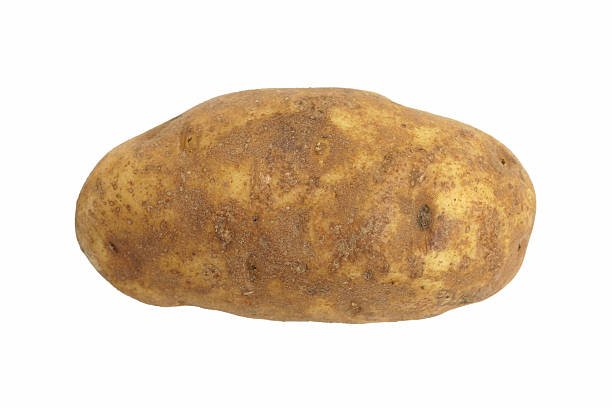
Furthermore, starchy vegetables like potatoes and sweet potatoes are rich sources of vitamins and minerals, including vitamin C, potassium, and manganese. Vitamin C acts as an antioxidant, protecting cells from damage caused by free radicals and supporting immune function. Potassium is essential for maintaining fluid balance, regulating blood pressure, and supporting muscle and nerve function. Manganese plays a role in bone formation, wound healing, and carbohydrate metabolism. By incorporating starchy vegetables into meals, individuals can increase their intake of these vital nutrients and support overall well-being.
Moreover, legumes such as beans, lentils, and chickpeas are nutrient-dense sources of vitamins and minerals, as well as protein and fiber. These plant-based foods provide a range of essential nutrients, including folate, magnesium, and zinc, which are important for various physiological processes in the body. Folate is essential for DNA synthesis and cell division, making it particularly important during periods of rapid growth and development. Magnesium plays a role in muscle and nerve function, blood sugar regulation, and bone health. Zinc is involved in immune function, wound healing, and protein synthesis. By incorporating legumes into the diet, individuals can increase their intake of these micronutrients and support overall health and well-being..
Versatility in Meal Options for Dietary Diversity
Starchy foods offer a wide range of options for creating diverse and flavorful meals, making it easier to adhere to a balanced diet. Grains such as rice, pasta, and quinoa serve as versatile bases for a variety of dishes, from stir-fries to salads to casseroles. With different cooking methods and flavorings, grains can be transformed into savory, sweet, or spicy dishes, catering to individual taste preferences and dietary needs.
Moreover, starchy vegetables like potatoes, sweet potatoes, and squash can be prepared in numerous ways, including roasting, baking, boiling, or mashing. These vegetables serve as hearty and satisfying additions to meals, providing texture, flavor, and nutritional value. Whether served as a side dish, incorporated into soups and stews, or used as a main ingredient in vegetarian or meat-based dishes, starchy vegetables add versatility and variety to the diet.
Furthermore, legumes such as beans, lentils, and chickpeas are incredibly versatile ingredients that can be used in a wide range of dishes, including soups, salads, stews, curries, and dips. With their mild flavor and ability to absorb seasonings and spices, legumes can be adapted to suit various culinary traditions and flavor profiles. Additionally, legumes can serve as a plant-based protein source, making them an excellent option for vegetarian and vegan diets. By incorporating a variety of starchy foods into meals, individuals can enjoy a diverse and satisfying diet that meets their nutritional needs and culinary preferences.
Support for Weight Management and Hunger Regulation
Incorporating starchy foods into a balanced diet can play a crucial role in supporting weight management and regulating hunger. Contrary to popular belief, starchy foods can be part of a healthy weight loss or weight maintenance plan when consumed in appropriate portions and in the context of a balanced diet. Starchy foods provide a source of complex carbohydrates, which are digested slowly, resulting in a gradual release of glucose into the bloodstream. This steady release of energy helps maintain stable blood sugar levels, reducing the likelihood of energy crashes and subsequent overeating.
Additionally, starchy foods are often rich in dietary fiber, which adds bulk to meals and promotes feelings of fullness and satiety. Fiber also slows down the digestion process, prolonging the sensation of being full and reducing the frequency of hunger pangs. By including fiber-rich starchy foods such as whole grains, legumes, and vegetables in meals, individuals can better manage their appetite and reduce the likelihood of overeating, ultimately supporting weight management goals.
Furthermore, starchy foods can serve as satisfying components of meals, helping individuals adhere to their dietary goals without feeling deprived. When paired with lean proteins, healthy fats, and plenty of vegetables, starchy foods can contribute to balanced and satisfying meals that keep hunger at bay. By incorporating a variety of starchy foods into their diet, individuals can enjoy a diverse range of flavors and textures while still supporting their weight management efforts. Overall, including starchy foods in moderation as part of a balanced diet can aid in hunger regulation and contribute to successful weight management strategies
Conclusion.
In conclusion, the incorporation of starchy foods into a balanced diet offers numerous benefits, ranging from providing essential energy to supporting weight management and hunger regulation. Starchy foods serve as valuable sources of carbohydrates, fiber, vitamins, and minerals, all of which are vital for maintaining overall health and well-being. By including a variety of starchy foods such as whole grains, vegetables, and legumes in meals, individuals can enjoy diverse and satisfying dietary options while meeting their nutritional needs.
I hope this article has shed light on the importance of incorporating starchy foods into your diet for optimal health and wellness. Remember, moderation and variety are key when it comes to enjoying the benefits of starchy foods. By making mindful choices and embracing the versatility of starchy ingredients, you can nourish your body, support your weight management goals, and enjoy delicious meals that contribute to your overall well-being.