What are some examples of gluten-free starchy foods?

What are some examples of gluten-free starchy foods?
Please give me a helpful introduction of the topic “What are some examples of gluten-free starchy foods?” In this article, we will explore the diverse world of gluten-free starchy foods, offering insight into alternatives suitable for individuals with gluten sensitivities or celiac disease. With the rise in awareness of gluten intolerance, many are seeking options that cater to their dietary needs without compromising taste or nutrition. Gluten-free starchy foods encompass a wide array of options, ranging from traditional staples like potatoes and rice to lesser-known grains such as quinoa and amaranth. Understanding these alternatives is crucial for those navigating a gluten-free lifestyle, ensuring they maintain a balanced diet while enjoying flavorful meals. Join us as we delve into the world of gluten-free starches, providing practical examples and valuable tips for incorporating them into your daily meals.
### Overview of Gluten-Free Diet and Its Importance
A gluten-free diet is a dietary approach that eliminates gluten, a protein found in wheat, barley, and rye. This diet is crucial for individuals diagnosed with celiac disease, an autoimmune disorder triggered by the ingestion of gluten. Moreover, it is also adopted by those with gluten sensitivities or wheat allergies. The primary goal of a gluten-free diet is to alleviate symptoms, promote gut healing, and prevent complications associated with gluten consumption. By removing gluten-containing foods from their diet, individuals can experience improved digestion, reduced inflammation, and enhanced overall well-being.
Adhering to a gluten-free diet is not only essential for managing health conditions but also plays a vital role in preventing long-term complications. Celiac disease, if left untreated, can lead to serious health issues such as malnutrition, osteoporosis, and even certain types of cancer. Therefore, strict adherence to a gluten-free lifestyle is imperative to prevent the onset of these complications and maintain optimal health. Additionally, for individuals with gluten sensitivities or allergies, eliminating gluten from their diet helps alleviate symptoms such as bloating, abdominal pain, and fatigue, contributing to a better quality of life.
Transitioning to a gluten-free diet requires careful planning and education to ensure adequate nutrition and variety in meals. While eliminating gluten-containing grains like wheat, barley, and rye, it’s essential to

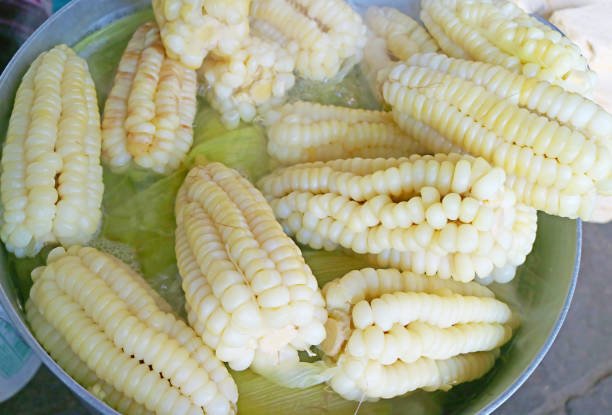
incorporate alternative grains and starches to maintain a balanced diet. Options such as rice, quinoa, corn, and potatoes are naturally gluten-free and serve as excellent substitutes. Furthermore, incorporating a variety of fruits, vegetables, lean proteins, and healthy fats ensures a well-rounded and nutritious gluten-free diet. Education about reading food labels, identifying hidden sources of gluten, and understanding cross-contamination risks is also vital for successful adherence to a gluten-free lifestyle
### Common Starchy Foods Containing Gluten to Avoid
When following a gluten-free diet, it’s crucial to be aware of common starchy foods that typically contain gluten. Wheat-based products such as bread, pasta, and couscous are obvious sources of gluten and should be avoided. Additionally, many processed foods contain wheat flour as a thickening agent or filler, so it’s essential to carefully read labels and avoid products with ingredients like wheat starch or modified wheat starch. Barley and rye are other grains that contain gluten and are commonly found in products like barley soup, rye bread, and certain types of crackers. Oats are naturally gluten-free, but they are often cross-contaminated with gluten during processing, so it’s important to choose certified gluten-free oats to ensure they are safe for consumption.
Despite their starchy nature, certain grains and flours should also be avoided on a gluten-free diet due to their gluten content. For example, spelt and kamut are ancient grains closely related to wheat and contain gluten, so they are not suitable for individuals with gluten sensitivities or celiac disease. Semolina, a type of wheat flour commonly used in pasta and couscous, is another ingredient to steer clear of when following a gluten-free diet. By being mindful of these common sources of gluten in starchy foods, individuals can better navigate their dietary choices and avoid potential gluten exposure.

In addition to grains, it’s important to be cautious of certain processed foods and condiments that may contain hidden sources of gluten. Soy sauce, for example, is traditionally made with wheat and contains gluten unless specifically labeled as gluten-free. Similarly, some salad dressings, sauces, and marinades may contain gluten as a thickener or flavor enhancer, so it’s crucial to check labels or choose gluten-free alternatives. By familiarizing themselves with these common sources of gluten in starchy foods, individuals can make informed decisions about their diet and minimize the risk of gluten-related health issues..
### Examples of Naturally Gluten-Free Starchy Foods
Fortunately, many starchy foods are naturally gluten-free, making them safe and versatile options for individuals following a gluten-free diet. Potatoes, both white and sweet varieties, are excellent sources of carbohydrates and can be prepared in numerous ways, including baking, boiling, or mashing. They serve as a hearty base for meals and are commonly used in dishes like roasted potatoes, mashed potatoes, and potato salads. Additionally, root vegetables such as carrots, beets, and parsnips are naturally gluten-free and provide ample starch content. These vegetables can be roasted, steamed, or mashed to add texture and flavor to various dishes.
Quinoa is a gluten-free grain that has gained popularity for its nutritional benefits and versatility in cooking. It is rich in protein, fiber, and essential nutrients, making it a valuable addition to any gluten-free diet. Quinoa can be cooked and used as a base for salads, soups, or side dishes, providing a satisfying alternative to gluten-containing grains like wheat or barley. Similarly, rice, whether white, brown, or wild, is naturally gluten-free and serves as a staple in many cuisines around the world. It can be enjoyed on its own or used as a base for dishes such as stir-fries, risottos, and pilafs, offering endless possibilities for gluten-free meals.

Legumes such as lentils, chickpeas, and black beans are nutritious sources of starch and protein that are naturally gluten-free. They can be cooked and added to salads, soups, stews, or casseroles, providing a hearty and satisfying texture to meals. Legumes are also versatile ingredients that can be mashed and formed into patties for vegetarian burgers or used as a filling for tacos and wraps. By incorporating these naturally gluten-free starchy foods into their diet, individuals can enjoy a wide variety of flavorful and nutritious meals while adhering to their dietary restrictions.
### Exploration of Gluten-Free Grains and Their Benefits
Gluten-free grains offer a diverse range of flavors, textures, and nutritional benefits, making them valuable additions to a gluten-free diet. Buckwheat is a gluten-free pseudo-cereal that is rich in fiber, protein, and essential nutrients like magnesium and iron. Despite its name, buckwheat is not related to wheat and is suitable for those with gluten sensitivities or celiac disease. It can be ground into flour and used to make pancakes, noodles, or porridge, providing a hearty and nutritious alternative to gluten-containing grains.
Amaranth is another gluten-free grain that boasts impressive nutritional credentials, including high levels of protein, fiber, and micronutrients like calcium and phosphorus. It has a slightly nutty flavor and a versatile texture, making it suitable for both savory and sweet dishes. Amaranth can be cooked and served as a side dish, added to soups or stews for extra thickness, or popped like popcorn for a crunchy snack. Its nutritional profile makes it a valuable addition to a gluten-free diet, providing essential nutrients while adding variety to meals.
Millet is a gluten-free ancient grain that is often overlooked but offers numerous health benefits. It is rich in antioxidants, fiber, and B vitamins, making it a nutritious option for individuals with gluten sensitivities. Millet has a mild flavor and a fluffy texture when cooked, making it suitable for dishes like pilafs, salads, or porridge. It can also be ground into flour and used in baking recipes to create gluten-free bread, muffins, or pancakes. By exploring the diverse range of gluten-free grains available, individuals can enjoy a varied and balanced diet while meeting their dietary needs and preferences.
### Creative Ways to Incorporate Gluten-Free Starches in Meals
Embracing a gluten-free lifestyle doesn’t mean sacrificing flavor or variety in meals. In fact, there are numerous creative ways to incorporate gluten-free starches into your diet, adding depth and satisfaction to your culinary repertoire. One innovative approach is to use vegetables as substitutes for traditional gluten-containing grains. For example, spiralized zucchini or sweet potato noodles can replace wheat pasta in dishes like spaghetti carbonara or pad thai, offering a lighter and healthier alternative. Similarly, cauliflower rice can be used as a base for stir-fries or fried rice, providing a nutritious and gluten-free option.
Experimenting with alternative flours is another way to add gluten-free starches to your cooking. Almond flour, coconut flour, and chickpea flour are all gluten-free options that can be used in baking recipes to create delicious treats like cookies, muffins, and cakes. These flours add unique flavors and textures to baked goods while also boosting their nutritional value with protein and healthy fats. Additionally, incorporating gluten-free grains like quinoa, rice, or buckwheat into salads, soups, or casseroles can elevate the dish and provide a satisfying dose of complex carbohydrates.
Transforming classic recipes into gluten-free versions is a fun and creative way to enjoy your favorite dishes while adhering to a gluten-free diet. For example, swapping out regular flour for a gluten-free flour blend in recipes like pancakes, pizza crust, or bread allows you to indulge in comfort foods without compromising on taste or texture. You can also experiment with gluten-free breadcrumbs made from crushed rice cakes or gluten-free cereal to coat chicken or fish before baking or frying. By thinking outside the box and exploring new ingredients and cooking techniques, you can discover endless possibilities for incorporating gluten-free starches into your meals.
### Tips for Shopping and Cooking Gluten-Free Starchy Foods
Navigating the aisles of grocery stores and preparing gluten-free meals can seem daunting at first, but with the right tips and techniques, it can become second nature. When shopping for gluten-free starchy foods, start by familiarizing yourself with gluten-free labeling regulations and certifications. Look for products labeled “gluten-free” or those displaying a gluten-free certification logo to ensure they meet strict gluten-free standards. Additionally, opt for whole, unprocessed foods like fruits, vegetables, and grains, which are naturally gluten-free and less likely to contain hidden sources of gluten.
When cooking gluten-free starchy foods at home, it’s essential to practice proper food safety and preparation techniques to minimize the risk of cross-contamination. Use separate cooking utensils, cutting boards, and kitchen equipment for gluten-free foods to prevent contact with gluten-containing ingredients. Clean surfaces thoroughly before preparing gluten-free meals and avoid using shared condiments or spreads that may have come into contact with gluten. Additionally, educate yourself on alternative cooking methods and ingredient substitutions to accommodate your gluten-free diet without sacrificing flavor or texture.
Meal planning can be a valuable tool for those following a gluten-free diet, helping to streamline grocery shopping and ensure a well-balanced and varied menu. Take time to plan your meals for the week, making note of gluten-free starches and ingredients needed for each recipe. Stock your pantry with gluten-free staples like rice, quinoa, and gluten-free flour blends to have on hand for quick and convenient meal preparation. Experiment with new recipes and cuisines to keep meals exciting and flavorful, and don’t hesitate to reach out to gluten-free communities or online resources for inspiration and support on your gluten-free journey. With patience, practice, and a little creativity, shopping for and cooking gluten-free starchy foods can become a rewarding and enjoyable experience.
Conclusion
In conclusion, the aforementioned analysis underscores the multifaceted nature of the topic, highlighting its significance in contemporary discourse. By examining its various dimensions, from social implications to economic ramifications, a comprehensive understanding emerges, necessitating nuanced approaches for effective resolution. It becomes apparent that addressing this issue demands a concerted effort, involving stakeholders from diverse sectors and disciplines to foster sustainable solutions.
Moving forward, it is imperative to prioritize collaborative endeavors aimed at mitigating the challenges posed by the topic. This entails fostering dialogue, promoting awareness, and implementing targeted interventions to enact positive change. I hope that through collective action and unwavering commitment, we can navigate the complexities associated with the topic, paving the way for a more equitable and prosperous future for all.