How to Properly Store Seafood to Maintain Freshness?

How to Properly Store Seafood to Maintain Freshness?
In this article, we delve into the crucial aspects of preserving the freshness of seafood through proper storage techniques. Seafood, renowned for its delicate flavor and nutritional benefits, demands meticulous handling to maintain its quality from ocean to plate. Whether you’re a seasoned chef or an amateur enthusiast, understanding the fundamentals of seafood storage is essential for ensuring the optimal taste and safety of your culinary creations.
Importance of Temperature Control for Seafood Freshness
Temperature control is paramount in preserving the freshness of seafood. Maintaining proper temperatures helps to inhibit the growth of harmful bacteria and enzymes that can lead to spoilage. When seafood is exposed to temperatures outside of the safe range, bacteria multiply rapidly, accelerating the process of decay and compromising both taste and safety. Therefore, whether at home or in commercial settings, strict adherence to temperature guidelines is essential.
One of the key aspects of temperature control for seafood is ensuring that it is stored at cold enough temperatures to slow down bacterial growth without freezing it. The ideal temperature range for storing most seafood is between 32°F (0°C) and 38°F (3.3°C). At these temperatures, bacterial growth is significantly inhibited, allowing seafood to stay fresh for a longer period. Refrigeration units should be equipped with accurate thermometers to monitor and maintain these temperatures consistently.

When it comes to freezing seafood, it’s crucial to do so promptly and at the appropriate temperature to preserve its quality. Rapid freezing at temperatures below 0°F (-18°C) ensures that water molecules in the seafood form small ice crystals, minimizing damage to its cellular structure. Properly frozen seafood can maintain its quality for several months, but it’s important to note that freezing does not kill bacteria, so safe handling practices must still be followed. Additionally, thawing seafood properly, either in the refrigerator or under cold running water, is essential to prevent bacterial growth and maintain its texture and flavor.First and foremost, we’ll explore the significance of temperature control in preserving seafood. Temperature plays a pivotal role in slowing down the growth of harmful bacteria that can lead to spoilage. Proper refrigeration or freezing is vital for maintaining the integrity of seafood, preventing bacterial proliferation, and retaining its natural texture and flavor. Additionally, we’ll discuss the importance of packaging methods and other storage considerations to extend the shelf life of various seafood types, empowering you to enjoy fresh, delicious seafood dishes with confidence.
Importance of Temperature Control for Seafood Freshness
Temperature control is paramount in preserving the freshness of seafood. Maintaining proper temperatures helps to inhibit the growth of harmful bacteria and enzymes that can lead to spoilage. When seafood is exposed to temperatures outside of the safe range, bacteria multiply rapidly, accelerating the process of decay and compromising both taste and safety. Therefore, whether at home or in commercial settings, strict adherence to temperature guidelines is essential.
One of the key aspects of temperature control for seafood is ensuring that it is stored at cold enough temperatures to slow down bacterial growth without freezing it. The ideal temperature range for storing most seafood is between 32°F (0°C) and 38°F (3.3°C). At these temperatures, bacterial growth is significantly inhibited, allowing seafood to stay fresh for a longer period. Refrigeration units should be equipped with accurate thermometers to monitor and maintain these temperatures consistently.

When it comes to freezing seafood, it’s crucial to do so promptly and at the appropriate temperature to preserve its quality. Rapid freezing at temperatures below 0°F (-18°C) ensures that water molecules in the seafood form small ice crystals, minimizing damage to its cellular structure. Properly frozen seafood can maintain its quality for several months, but it’s important to note that freezing does not kill bacteria, so safe handling practices must still be followed. Additionally, thawing seafood properly, either in the refrigerator or under cold running water, is essential to prevent bacterial growth and maintain its texture and flavor.
Proper Refrigeration and Freezing Techniques
Effective refrigeration and freezing techniques are essential for maintaining the freshness of seafood. Refrigeration slows down the growth of bacteria and enzymatic reactions, preserving the quality and safety of seafood. It’s imperative to store seafood in the coldest part of the refrigerator, typically the bottom shelf, to ensure consistent temperatures. Additionally, seafood should be kept in airtight containers or sealed bags to prevent cross-contamination and minimize exposure to air, which can accelerate spoilage.
Freezing seafood properly is equally important for long-term storage. Before freezing, seafood should be cleaned, gutted, and properly packaged to maintain its quality. Flash freezing seafood at home or purchasing pre-frozen seafood ensures that it retains its texture and flavor. It’s crucial to freeze seafood quickly at temperatures below 0°F (-18°C) to prevent the formation of large ice crystals that can damage its delicate structure. Vacuum sealing or using freezer-safe bags removes excess air and prevents freezer burn, preserving the freshness of seafood for extended periods.

Thawing seafood safely is just as important as freezing it properly. Slow thawing in the refrigerator allows seafood to defrost evenly while minimizing bacterial growth. Alternatively, seafood can be thawed under cold running water or in the microwave, but it should be cooked immediately afterward to prevent bacteria from multiplying. Refreezing thawed seafood is not recommended, as it can compromise both safety and quality. By following these refrigeration and freezing techniques, seafood enthusiasts can enjoy fresh, high-quality seafood year-round.
Packaging Methods to Prevent Spoilage and Maintain Quality
Choosing the right packaging methods is crucial for preventing spoilage and maintaining the quality of seafood. Vacuum sealing is a highly effective technique that removes air from the packaging, reducing the risk of oxidation and freezer burn. This method also helps to preserve the natural texture and flavor of seafood by preventing moisture loss and freezer odors from seeping in. Alternatively, using airtight containers or freezer-safe bags can also provide adequate protection against contamination and freezer burn, especially for smaller portions of seafood.
Another packaging method to consider is using ice or gel packs to keep seafood cold during transportation or storage. Placing seafood in a cooler or insulated container with sufficient ice ensures that it remains at a safe temperature, even when refrigeration is not readily available. It’s essential to pack seafood tightly and insulate it properly to maintain the cold chain and prevent temperature fluctuations. Additionally, labeling packages with the date of packaging and type of seafood helps to track freshness and ensures proper rotation of stock.
For fresh seafood, packaging methods should prioritize maintaining its natural moisture and texture. Wrapping seafood in wax paper or butcher paper before placing it in a sealed container or bag helps to absorb excess moisture while allowing airflow to prevent condensation. This method is particularly suitable for delicate seafood like fish fillets or shellfish, as it minimizes the risk of mushiness or sogginess. By employing appropriate packaging methods, seafood enthusiasts can prolong the shelf life of their favorite catches and enjoy them at peak freshness.
Storage Considerations for Different Types of Seafood
Proper storage considerations vary depending on the type of seafood being handled. For fresh whole fish, it’s essential to keep them on ice immediately after purchase to maintain their freshness. Whole fish should be stored in the coldest part of the refrigerator, preferably on a bed of ice, to slow down bacterial growth and prevent spoilage. Additionally, wrapping the fish in damp paper towels helps to keep them moist without suffocating them, preserving their texture and flavor.
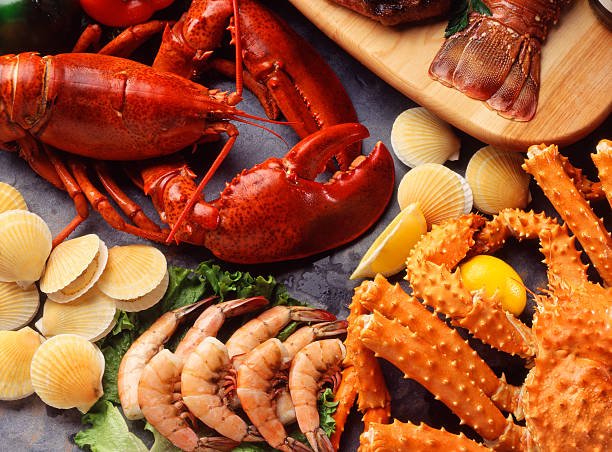
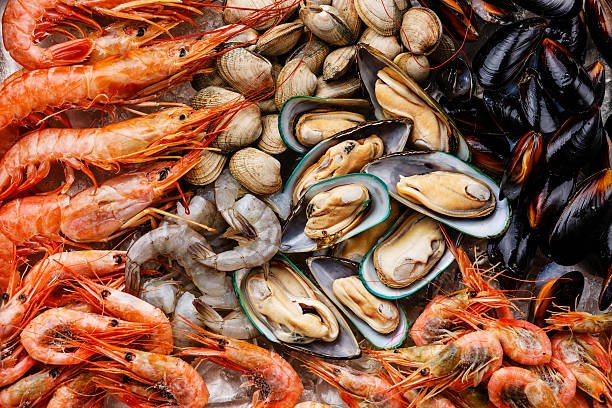
Shellfish, such as shrimp, crabs, and lobsters, require slightly different storage methods. Live shellfish should be stored in a breathable container, such as a mesh bag or perforated plastic container, to allow them to breathe. It’s crucial to keep shellfish alive until ready to cook to ensure optimal freshness and safety. Refrigerating live shellfish with a damp cloth draped over them helps to maintain their moisture levels and prevent them from drying out.
For seafood products like fish fillets, shrimp, or scallops, proper storage involves keeping them in the coldest part of the refrigerator or freezer. Fish fillets should be stored in airtight containers or wrapped tightly in plastic wrap to prevent air exposure, which can cause oxidation and deterioration. Similarly, shrimp and scallops should be stored in sealed bags to maintain their moisture and prevent freezer burn. By understanding the specific storage needs of different types of seafood, enthusiasts can prolong their shelf life and enjoy them at their best.
Tips for Prolonging Shelf Life While Preserving Flavor
Several tips can help prolong the shelf life of seafood while preserving its flavor. One effective strategy is to purchase seafood from reputable sources known for their freshness and quality. By selecting the freshest seafood available, you can ensure a longer shelf life and superior taste. Additionally, inspecting seafood before purchase for signs of freshness, such as clear eyes, firm flesh, and a mild ocean scent, can help you make informed decisions.
Properly storing seafood immediately after purchase is crucial for maintaining its freshness. Upon returning home, transfer seafood to the refrigerator or freezer promptly to prevent it from sitting at unsafe temperatures for extended periods. It’s also essential to store seafood away from strong-smelling foods to prevent flavor transfer. For example, seafood should be kept separate from onions, garlic, and other aromatic ingredients that can impart unwanted flavors.
Regularly rotating seafood stock is another effective way to ensure freshness and prevent waste. Practice a first-in, first-out approach when storing seafood, using older items before newer ones to minimize the risk of spoilage. Additionally, keeping track of expiration dates and labeling seafood packages with purchase dates can help you stay organized and avoid consuming expired products. By implementing these tips, you can extend the shelf life of seafood while preserving its delicious flavor and quality.
Ensuring Safety by Following Storage Guidelines Meticulously
Safety should always be a top priority when it comes to storing seafood. Following storage guidelines meticulously is crucial to minimize the risk of foodborne illness and ensure that seafood remains safe for consumption. One essential aspect of ensuring safety is to adhere to proper hygiene practices when handling seafood. Wash hands thoroughly with soap and water before and after handling seafood to prevent cross-contamination.
It’s important to store seafood at the correct temperature to inhibit the growth of harmful bacteria. Refrigerators should be set to maintain a temperature between 32°F (0°C) and 38°F (3.3°C) to keep seafood cold but not frozen. Freezers should maintain a temperature below 0°F (-18°C) to preserve seafood quality during long-term storage. Monitoring temperature regularly with a reliable thermometer helps ensure that seafood stays within the safe range.
When storing cooked seafood, it’s essential to cool it rapidly to prevent bacterial growth. Divide large portions into smaller containers to promote quicker cooling and store them in the refrigerator promptly. Cooked seafood should be consumed within a few days or frozen for longer-term storage. Additionally, avoid storing cooked seafood near raw seafood to prevent cross-contamination and minimize the risk of foodborne illness. By following these storage guidelines meticulously, you can enjoy seafood safely and with peace of mind.
Conclusion
In conclusion, understanding the importance of proper seafood storage techniques is essential for maintaining freshness, flavor, and safety. Temperature control, refrigeration, freezing methods, packaging considerations, storage for different seafood types, and adherence to safety guidelines are all critical factors in preserving the quality of seafood. By implementing these strategies, seafood enthusiasts can prolong the shelf life of their favorite catches and enjoy them at their best.
I hope this article has provided valuable insights into the importance of meticulous seafood storage practices. Whether you’re a culinary enthusiast or a professional chef, following these guidelines can enhance your seafood experience, ensuring that every dish is fresh, delicious, and safe to consume. Remember, attention to detail in storage not only preserves the quality of seafood but also safeguards against potential health risks, allowing you to savor the ocean’s bounty with confidence.