How does cooking affect the nutritional value of starchy foods?

How does cooking affect the nutritional value of starchy foods?
In this article, we delve into the intricate relationship between cooking methods and the nutritional content of starchy foods. Starchy foods, such as potatoes, rice, and grains, constitute a significant portion of diets worldwide. However, the nutritional value of these staples can vary greatly depending on how they are prepared.
Cooking fundamentally alters the chemical composition of starchy foods, influencing factors such as digestibility, glycemic index, and micronutrient availability. Understanding these changes is crucial for making informed dietary choices and optimizing nutritional intake. In the subsequent sections, we will explore the effects of different cooking methods on starches, highlighting both beneficial and detrimental impacts on nutritional quality. By examining these nuances, individuals can better appreciate the importance of cooking techniques in shaping the nutritional value of starchy foods and ultimately support healthier eating habits.
Various Cooking Methods Alter Starch Structure
Cooking methods play a crucial role in altering the structure of starch in foods. When starches are subjected to heat during cooking, their molecular structure undergoes changes. For instance, when starchy foods like potatoes or grains are boiled, the heat causes the starch granules to absorb water and swell. This swelling disrupts the crystalline structure of starch molecules, leading to a softer texture. Similarly, frying starchy foods at high temperatures causes the starches to undergo gelatinization, where the granules burst open and absorb oil, resulting in a crispy exterior. Roasting, baking, and steaming are other cooking methods that also induce changes in starch structure, albeit to varying degrees.
The alteration of starch structure through cooking methods affects the nutritional properties of starchy foods. For example, the degree of gelatinization influences the rate at which starches are digested in the body. Foods with highly gelatinized starches, such as well-cooked pasta or rice, tend to have a higher glycemic index, leading to a quicker spike in blood sugar levels after consumption. On the other hand, foods with partially gelatinized or resistant starches, like undercooked potatoes or beans, result in a slower release of glucose into the bloodstream, providing more sustained energy and promoting satiety.

Furthermore, the texture and palatability of starchy foods are greatly impacted by changes in starch structure induced by cooking methods. Foods that undergo thorough gelatinization tend to have a softer, smoother texture, making them more enjoyable to eat. Conversely, foods with resistant starches may retain a firmer texture, which can affect their sensory appeal. Understanding how different cooking methods influence starch structure allows individuals to tailor their food preparation techniques to achieve desired textures and flavors while optimizing the nutritional value of starchy foods.
Impact on Glycemic Index and Blood Sugar Response
The glycemic index (GI) is a measure of how quickly carbohydrates in food raise blood sugar levels. Cooking methods significantly impact the GI of starchy foods by altering their starch structure. For instance, foods with highly gelatinized starches, such as white rice or mashed potatoes, typically have a higher GI compared to those with resistant starches, like whole grains or al dente pasta. Boiling, steaming, and baking can increase the GI of starchy foods by breaking down starch molecules into readily digestible forms, leading to a rapid spike in blood sugar levels after consumption.
Conversely, cooking methods that preserve the integrity of starch structure, such as simmering or using lower cooking temperatures, can help mitigate blood sugar spikes. For example, cooking starchy foods al dente or leaving them slightly undercooked can result in the retention of resistant starches, which are less readily digested and absorbed in the small intestine. As a result, these foods have a lower GI and promote more stable blood sugar levels over time. Incorporating such cooking techniques into meal preparation can be particularly beneficial for individuals managing conditions like diabetes or insulin resistance.

Moreover, pairing starchy foods with other macronutrients, such as protein, fiber, or healthy fats, can further modulate their impact on blood sugar response. For instance, combining rice or potatoes with lean protein sources like chicken or tofu, or incorporating vegetables and legumes into a meal, can help slow down the digestion and absorption of carbohydrates, leading to a more gradual rise in blood sugar levels. By understanding the relationship between cooking methods, starch structure, and blood sugar response, individuals can make informed dietary choices to support overall health and well-being.
Changes in Fiber Content and Digestion
Cooking methods influence the fiber content and digestion of starchy foods, impacting their nutritional value and health benefits. Fiber is a crucial component of a balanced diet, known for its role in promoting digestive health, regulating blood sugar levels, and supporting weight management. When starchy foods are cooked, the heat can break down the cell walls containing insoluble fiber, making it more accessible for digestion. For example, boiling potatoes or carrots softens their texture and increases the availability of soluble fiber, which can aid in bowel regularity and reduce cholesterol levels.
However, certain cooking methods can also lead to a loss of fiber in starchy foods. High-temperature cooking techniques like frying or grilling may cause some of the soluble and insoluble fiber to degrade or leach out into cooking liquids or oils. This loss of fiber can diminish the overall nutritional quality of the food and reduce its health benefits. To preserve fiber content during cooking, methods such as steaming, microwaving, or sautéing with minimal oil can be more advantageous, as they involve gentler heat and shorter cooking times.

Furthermore, the impact of cooking on fiber content and digestion can affect satiety and weight management. Foods high in fiber tend to be more filling and can help curb appetite, leading to better portion control and reduced calorie intake. By choosing cooking methods that retain fiber and promote slower digestion, individuals can support their efforts to maintain a healthy weight and improve overall dietary quality. Incorporating a variety of cooked starchy foods into meals while being mindful of cooking techniques can contribute to a balanced diet rich in essential nutrients and fiber.
Micronutrient Retention or Loss During Cooking Process
The cooking process can affect the retention or loss of micronutrients in starchy foods, which are essential for various physiological functions in the body. Micronutrients include vitamins and minerals such as vitamin C, B vitamins, potassium, and magnesium, among others. Different cooking methods can impact the stability and bioavailability of these micronutrients, influencing the overall nutritional quality of the food. For example, boiling starchy vegetables like potatoes or carrots can lead to the leaching of water-soluble vitamins such as vitamin C and B vitamins into the cooking water, resulting in some nutrient loss.
Conversely, certain cooking methods can enhance the bioavailability of micronutrients in starchy foods. For instance, steaming vegetables preserves their color, texture, and nutrient content better than boiling, as it minimizes direct contact with water and reduces nutrient loss. Additionally, incorporating healthy fats, such as olive oil or avocado, during cooking can improve the absorption of fat-soluble vitamins like vitamin A and E. By understanding how cooking methods impact micronutrient retention, individuals can make informed decisions to optimize the nutritional value of starchy foods in their diet.
Moreover, the degree of processing and cooking time can also influence the retention of micronutrients in starchy foods. Foods that undergo prolonged cooking or extensive processing may experience greater nutrient loss compared to those cooked for shorter durations or consumed raw. Thus, choosing minimally processed starchy foods and employing cooking methods that preserve nutrient integrity, such as steaming, stir-frying, or roasting, can help maximize micronutrient retention. By prioritizing nutrient-rich cooking techniques, individuals can ensure that they are deriving the full spectrum of essential vitamins and minerals from their starchy food choices, supporting overall health and well-being.
Influence of Cooking on Resistant Starch Formation
Cooking methods influence the formation of resistant starch in starchy foods, which can have implications for digestive health and metabolic function. Resistant starch refers to a type of starch that resists digestion in the small intestine and behaves more like dietary fiber. This unique property allows resistant starch to reach the large intestine intact, where it serves as a prebiotic, supporting the growth of beneficial gut bacteria and promoting digestive health. Cooking starchy foods can either increase or decrease the formation of resistant starch, depending on factors such as cooking time, temperature, and food composition.
For example, cooking and then cooling starchy foods like potatoes or rice can increase the formation of resistant starch through a process known as retrogradation. During cooling, the starch molecules realign and form crystalline structures that are resistant to enzymatic digestion. This results in a higher proportion of resistant starch in the cooked and cooled food compared to when it was freshly cooked. On the other hand, cooking methods that involve prolonged heating or high temperatures, such as frying or baking, can decrease the amount of resistant starch in foods by breaking down the starch molecules into more digestible forms.
Understanding how cooking methods impact the formation of resistant starch can have implications for managing blood sugar levels, promoting satiety, and supporting gut health. Foods with higher levels of resistant starch tend to have a lower glycemic index, leading to more stable blood sugar levels after consumption. Additionally, resistant starch contributes to feelings of fullness and can aid in weight management by prolonging satiety. By incorporating cooking techniques that promote the formation of resistant starch, such as cooking and cooling starchy foods or using gentle cooking methods, individuals can harness the potential health benefits associated with this unique form of dietary carbohydrate.
Considerations for Healthier Cooking Techniques and Choices
When preparing starchy foods, it’s essential to consider healthier cooking techniques and choices to maximize their nutritional value and promote overall well-being. One crucial consideration is to opt for cooking methods that minimize the use of added fats and oils. While frying and deep-frying may enhance flavor and texture, they can also add unnecessary calories and unhealthy fats to the diet. Instead, methods like baking, steaming, grilling, or boiling can achieve delicious results with minimal added fats, preserving the natural flavors and nutrients of the food.
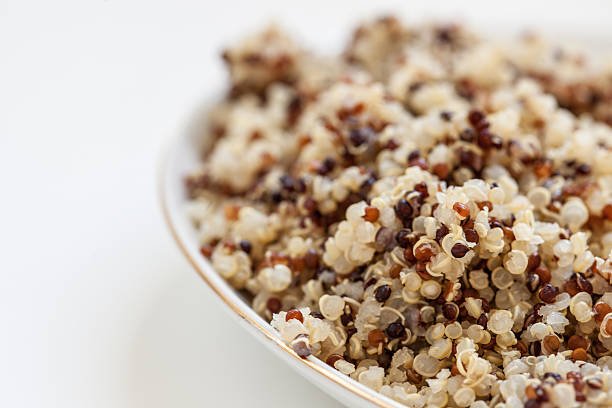
Another consideration is to choose whole or minimally processed starchy foods whenever possible. Whole grains, such as brown rice, quinoa, or barley, retain more of their nutrient-rich bran and germ layers compared to refined grains like white rice or pasta. Similarly, opting for whole potatoes instead of processed potato products like chips or fries ensures a higher intake of fiber, vitamins, and minerals. By prioritizing whole foods over processed alternatives, individuals can enhance the nutritional quality of their meals and support better health outcomes.
Furthermore, incorporating a variety of cooking methods and food preparation techniques can add diversity to the diet and increase nutrient intake. For example, roasting vegetables brings out their natural sweetness and enhances flavor, while steaming preserves their vibrant colors and crisp texture. Experimenting with herbs, spices, and marinades can also elevate the taste of starchy foods without relying on excess salt or added sugars. By exploring different culinary techniques and flavor combinations, individuals can make mealtime more enjoyable while reaping the nutritional benefits of starchy foods in their diet.
Conclusion
In conclusion, the impact of cooking on the nutritional value of starchy foods is undeniable. Various cooking methods alter starch structure, affect glycemic index, and influence the retention of essential nutrients. Moreover, considerations for healthier cooking techniques underscore the importance of mindful food preparation choices. By understanding how cooking methods can enhance or diminish the nutritional quality of starchy foods, individuals can make informed decisions to support their health and well-being.
I hope this exploration of the relationship between cooking and the nutritional value of starchy foods serves as a valuable resource for making dietary choices that prioritize health. Whether opting for steaming, baking, or incorporating whole grains, the conscious selection of cooking methods can have a profound impact on overall nutritional intake. Let’s continue to explore and embrace culinary practices that nourish both body and soul, fostering a lifestyle of balanced eating and optimal wellness.